


The bird and the heart 2025
Jeremy Leatinu’u’s artwork for A Time of Waiting has been conceived as a constellation of objects and moving-image works, each of which functions as ‘chapters’ from the artist’s complex family history, stemming back to the early 20th Century.
The story begins in 1900, when what we currently know as Western Sāmoa became Malo Kaisalika/German Sāmoa, a colony of Germany. While significant, this constitutional change turned out to be short-lived when, in the outbreak of WWI, Sāmoa was swiftly retaken by Australia and New Zealand (this was, in fact, the first joint military initiative for the ANZACs). In the aftermath of the war, Sāmoa was officially instated under Crown rule as an outcome of the Treaty of Versailles in 1919, which determined that Germany would cede the colony.
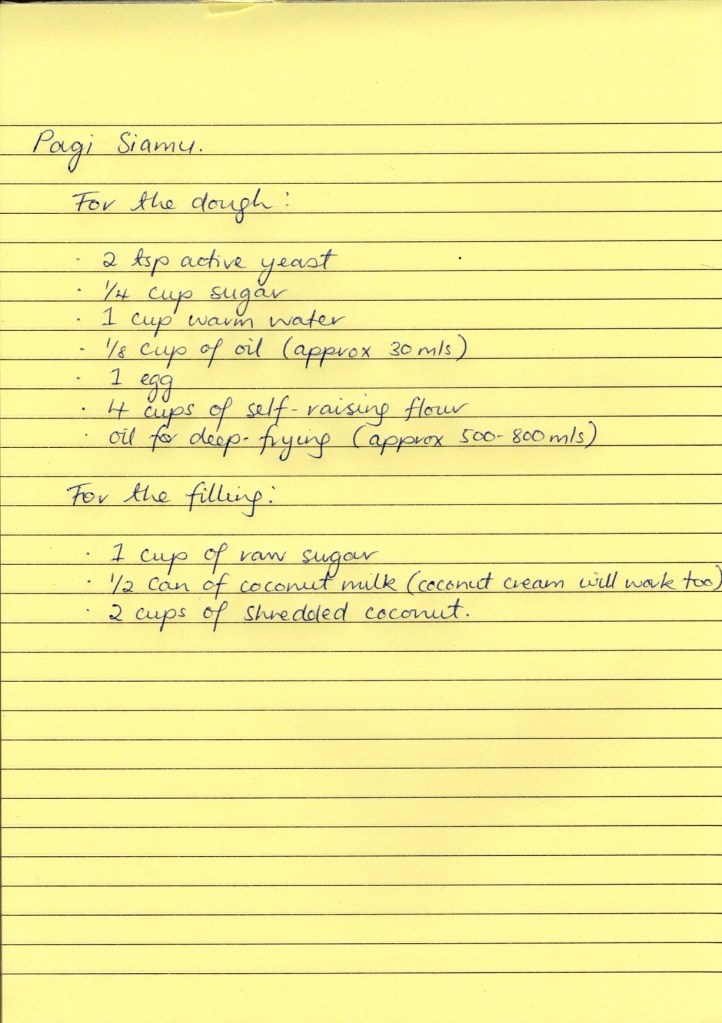
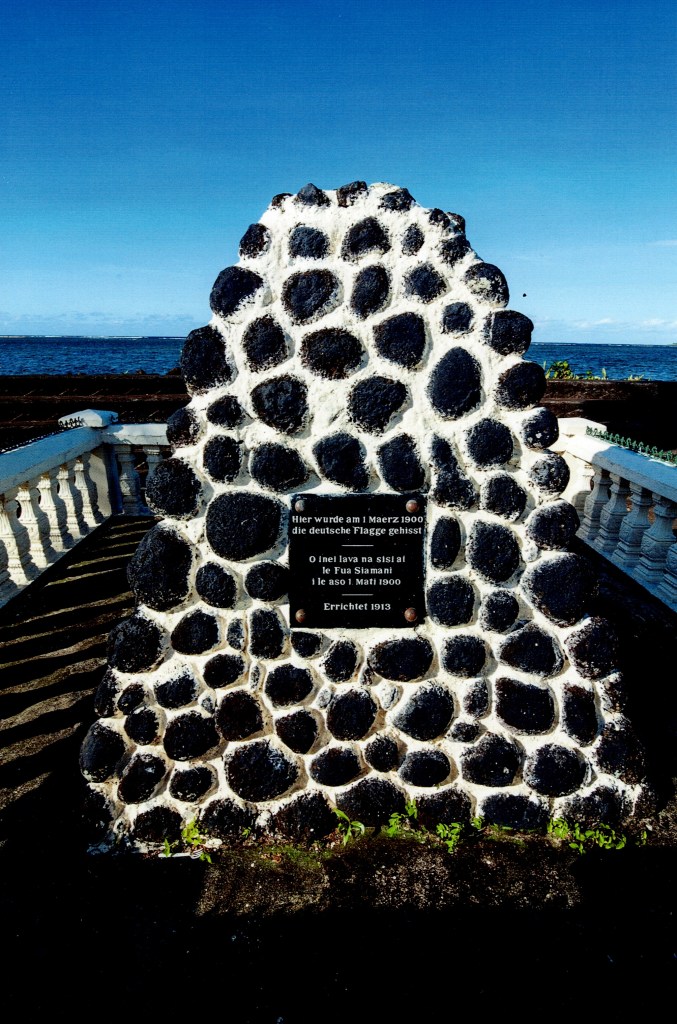
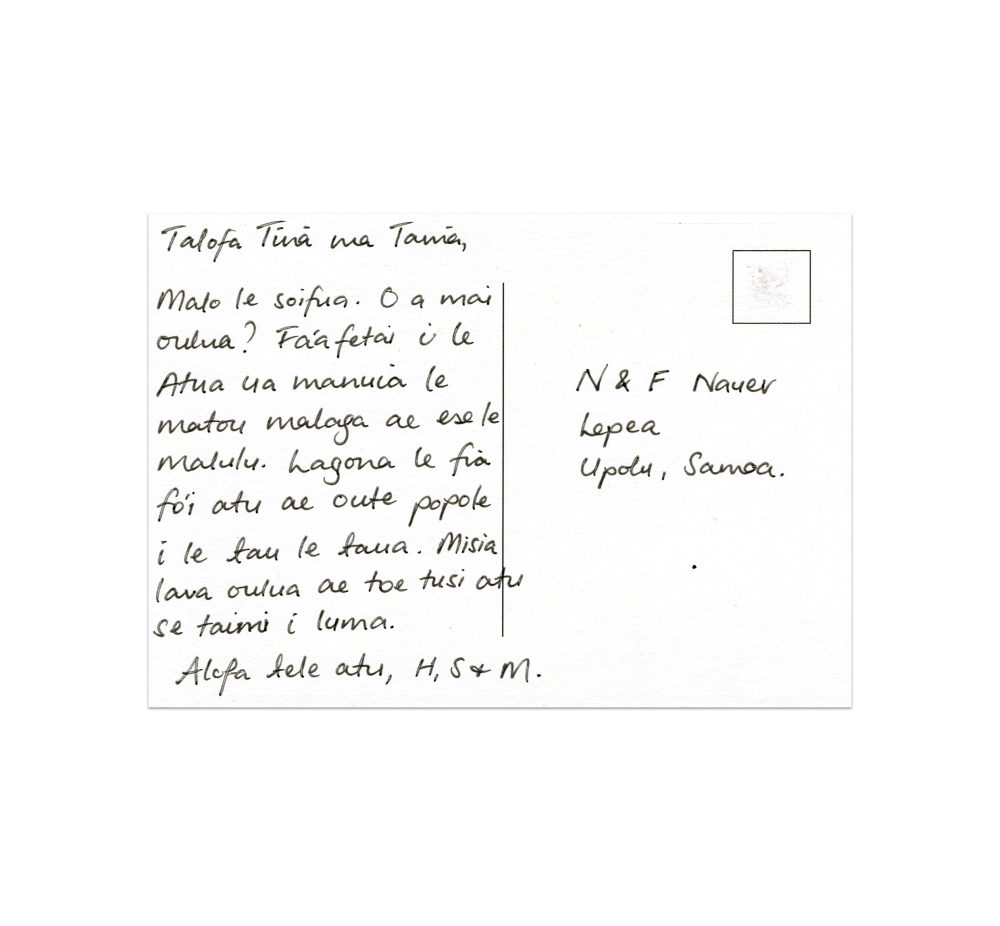
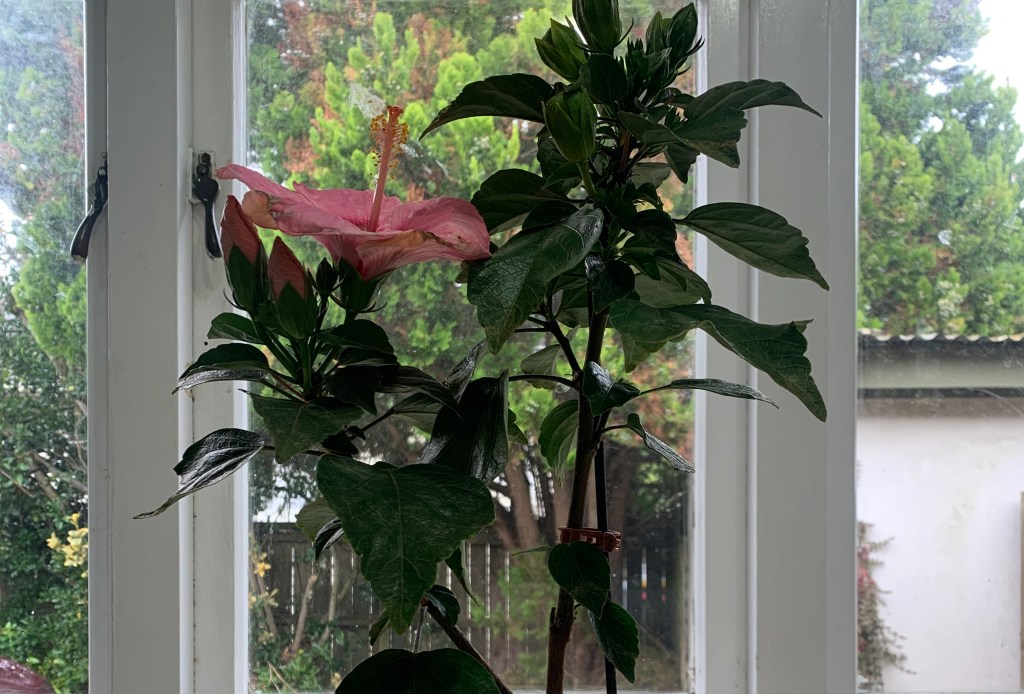
These exceptional geopolitical events provide the scaffolding for a story of two cultures coming together through marriage. To the far left is the artist’s daughter Manaia’s recent portrait of their German ancestor Gusta Adolf Naur, who arrived in Sāmoa in 1896 and later married the artist’s great-great-grandmother Filomena Faumuina. In the middle sits a range of objects that narrate the coming together of cultures, through cuisine, religion, memorial sites, and even an original postcard sent by Naur’s daughters from Germany after they had relocated to Wittenburg in 1914 to pursue education with the support of their new extended family.
The final stages of the artwork jump to touchstone moments from the 1960s onwards, as Leatinu’u’s ancestors seek to establish a new life in New Zealand. The artwork tracks across books and objects—fragments from a larger archive, laying bare Leantinu’u’s own research into linking together his whakapapa—and concludes with the artist speaking inaudibly before the camera. In the second video, the artist narrates an anecdote of his uncle, who, as a child, craftily self-determined where he would go to school upon immigrating to Auckland in the 1960s. As the story goes, despite the Catholic affiliations of his family, the young boy talked his way into his preferred public school, bringing to a close a longer story of self-determination which seems to be a tangible result of Nauer and Faumuina’s legacy.
Seen together, the objects narrate the long-term impacts for a family formed during a brief 14-year period of colonial rule, which could have been a fruitless period of ineffective waiting, but had much larger ramifications. While rich in nuance and detail, the artist’s forthcoming spoken performance will provide further contextual glue to these stories.
Text from the exhibition catalogue A Time of Waiting, at Ngutu Kākā Gallery, AUT Tāmaki Makaurau
Drawing: Manaia Leatinuu / Monument Photograph: Michael Runkel / Cinematography: Ian Powell
 JEREMY LEATINU'U